





Small Spaces: Small Space Living Ideas
Small Space Living
How to Make Every Inch Count
A smaller home doesn't mean compromising on comfort, style or the way you want to live. In fact, some of the most beautiful interiors are often the most thoughtfully planned.
The best furniture for small spaces is well-proportioned, flexible and visually light. Compact sofas, raised-leg designs, nesting tables, extending dining tables and storage furniture can help a smaller room work harder without making it feel crowded.
Whether you're furnishing a cosy living room, a compact dining space or an open-plan apartment, choosing the right furniture and layout can transform even the smallest footprint into a home that feels welcoming, functional and effortlessly stylish. At Loom Loft, we believe every home deserves furniture that works beautifully for the space available.
Here are some simple ways to maximise your living and dining areas without sacrificing comfort or personality.

Start with furniture that fits the room
One of the biggest mistakes in smaller spaces is choosing furniture that's either too large or too small.
Start by measuring the usable floor area, not just the room itself. Think about where doors open, radiators sit and the walkways you use every day. This gives a much more accurate idea of the furniture that will comfortably fit.
Oversized furniture can quickly overwhelm a room. The key is finding furniture that feels proportionate to the room while still delivering the comfort and practicality you need. Remember to check the depth of sofas and chairs as well as their width, as deeper furniture can have just as much impact on available space.
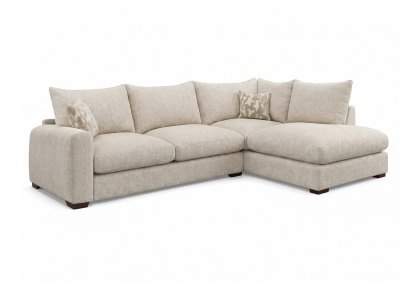
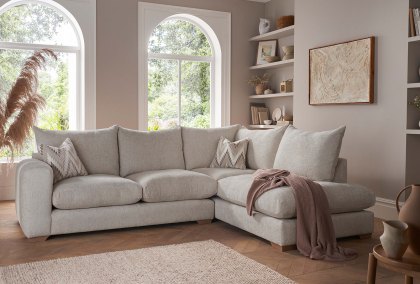
For living rooms, collections such as Alston, Clifton and Malham offer generous comfort without dominating the space. Compact sofas, chaise-end designs and carefully scaled corner sofas can often provide more seating than expected while maintaining an open, airy feel.
If you’re choosing larger furniture, it’s also worth checking your home’s access before ordering. Measure doorways, hallways and staircases to ensure everything can be delivered safely. For more guidance, see our Sofa Measuring Guide.
Where possible, choose furniture with visible legs or raised bases, which help create a greater sense of space by allowing light to flow beneath the furniture.
Create a sense of openness
The way you arrange furniture can have just as much impact as the furniture itself.
Avoid pushing every piece directly against the walls.
Creating small amounts of breathing room around key pieces often makes a room feel larger and more balanced.
Positioning a sofa slightly away from the wall, even by a few inches, can help create a greater sense of depth within the room.
Mirrors, carefully positioned lighting and lighter colour palettes can also help maximise natural light and create a brighter, more open environment.

What Furniture Works Best in Small Spaces?
| Furniture type | Why it works | What to look for |
|---|---|---|
| Compact sofas | Provides comfort without overwhelming the room. | Proportionate footprint, slimmer arms, raised legs. |
| Corner or chaise sofas | Can maximise seating in the right layout. | Clear walkways and verified room measurements. |
| Storage footstools | Combines storage with an extra surface or seat. | Easy access and a size that suits the sofa. |
| Nesting tables | Adds surface space only when needed. | Pieces that tuck away neatly. |
| Extending dining tables | Keeps the everyday footprint smaller. | Simple extension mechanism and enough clearance. |
| Round dining tables | Can improve movement in tighter layouts. | Appropriate diameter and chair clearance. |
| Sideboards and consoles | Adds useful storage while reducing visible clutter. | Proportionate depth and practical internal storage. |
Best Sofas
for Small Spaces
Choosing the right sofa for a small living room is about more than simply picking the smallest model.
A well-designed sofa should feel proportionate to your room while still providing the comfort and seating your household needs.
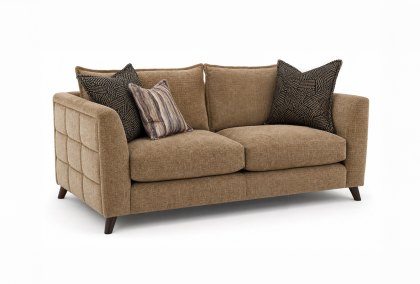
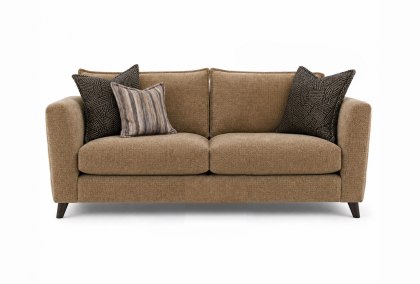
Features such as slimmer arms, shallower depths, raised legs and carefully considered proportions can all help create a greater sense of space.
Depending on your layout, a compact chaise or corner sofa may even offer more seating than a traditional 3 seater sofa while making better use of the room
At Loom Loft, we’ve carefully selected a range of space-saving sofas designed to suit apartments, snug living rooms and compact family homes without compromising on comfort or style.
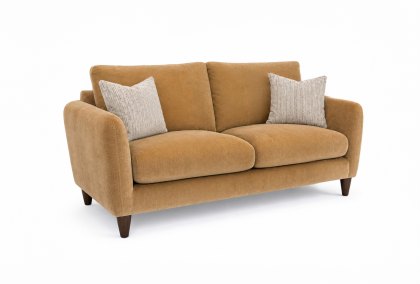
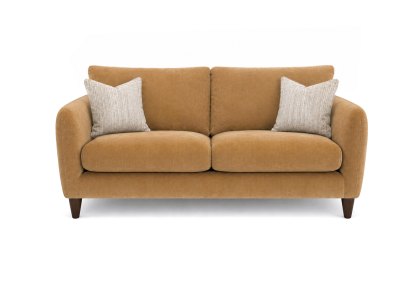
Here are some of our standout collections that feature compact proportions including our Sutton, Alston, Newland and Marsden collections.




 +
+


 +
+


 +
+Choose Multi-Functional
Furniture
In smaller homes, every piece of furniture should work as hard as possible. Multi-functional furniture helps maximise floor space while adding flexibility, storage and everyday practicality without making a room feel overcrowded.
Storage footstools keep blankets, cushions and everyday essentials neatly tucked away while providing an extra seat or somewhere to rest your feet.
Extending dining tables maintain a compact footprint for everyday living before expanding when family or guests visit.
Nesting tables offer additional surface space only when needed before sliding neatly away to free up valuable floor space.
Compact occasional furniture, such as slim console tables and smaller side tables, helps improve the layout without overwhelming the room.
Collections such as Madrid are particularly well suited to smaller dining spaces, offering practical extending tables that adapt to everyday life while maintaining a clean, uncluttered look.
Make your dining space work smarter
Small dining rooms and kitchen diners often benefit from thoughtful furniture choices.
Round dining tables can help improve flow within tighter spaces by removing corners and softening the layout. Extendable dining tables provide everyday practicality while still accommodating larger gatherings when needed.
The Lindell Collection works beautifully in contemporary apartments and open-plan homes, combining sleek ceramic surfaces with clean lines and a lighter visual footprint.
Meanwhile, the Austin Corner Dining Collection offers a fantastic solution for compact kitchen diners, maximising seating while making efficient use of available space.
Corner dining arrangements can often seat more people than traditional table-and-chair layouts while creating a relaxed, sociable atmosphere for family life.
Let your furniture do the talking
When space is limited, fewer pieces often create a greater impact.
Rather than filling every corner, focus on carefully selected furniture that serves a purpose and contributes to the overall look of the room.
A beautifully chosen sofa, a statement dining table or a carefully styled coffee table can often achieve more than multiple smaller pieces competing for attention.
Collections such as Eclipse and Houghton work particularly well because their characterful finishes and considered detailing naturally become focal points within the room.

Use Rugs
to Define Different Areas
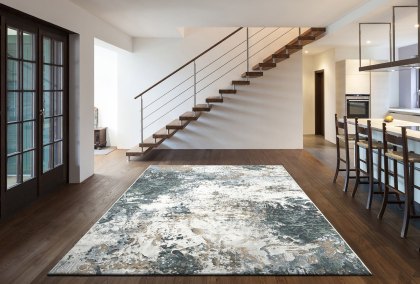
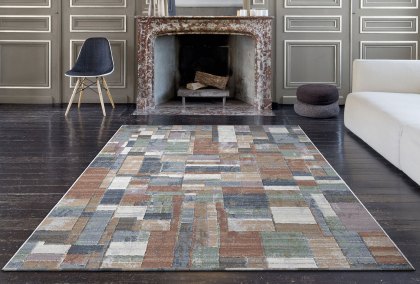
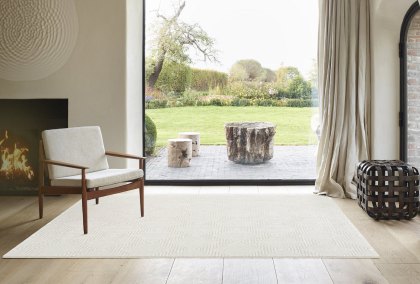
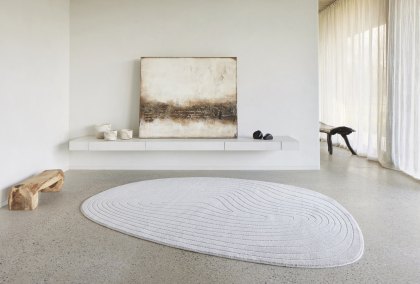
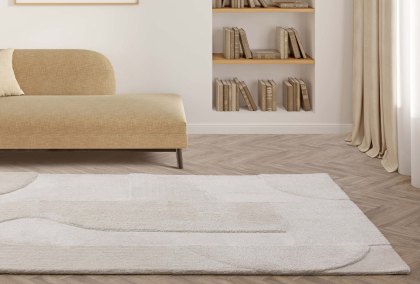
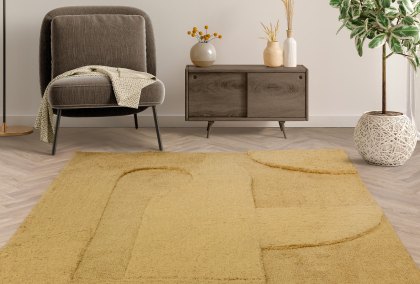
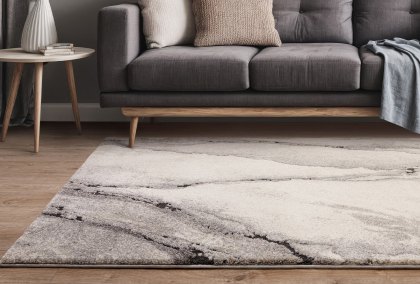
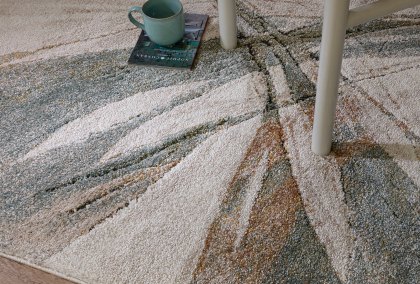
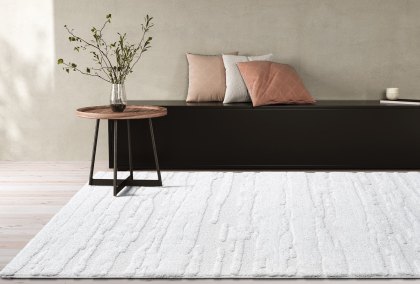
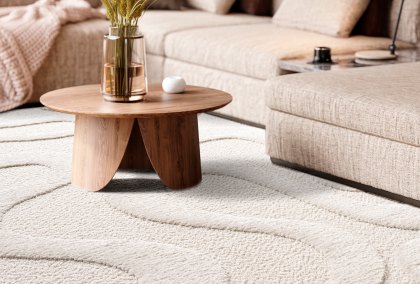
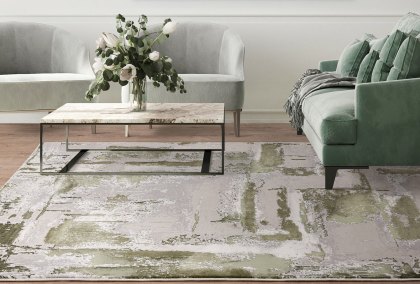
In open-plan spaces, rugs can help create visual boundaries without interrupting flow.
A rug beneath the sofa helps define the living area, while a separate rug beneath the dining table establishes a distinct dining zone.
This simple technique can make smaller homes feel more organised and thoughtfully planned.

Choose smart storage furniture for small spaces
Smart storage is essential in smaller homes, but it can also contribute to the overall design.
Cast your eyes over the most beautiftul homes and you'll notice they all feature well chosen and considered sideboards, console tables and occasional furniture with built-in storage.
While these add warmth and character to the room they also help keep everyday clutter organised too!
Collections such as Cuban, Eclipse and Hapton combine practical storage with beautifully crafted design, helping smaller spaces remain functional without feeling crowded.
And Finally
Make It Feel Personal
The most successful small spaces aren't necessarily the ones with the most furniture. They're the ones that feel lived in.
A carefully chosen piece of artwork, a favourite lamp, a stack of books or a vase filled with seasonal stems can add personality and warmth without overwhelming the room.
The goal isn't to make a small room feel larger. It's to make it feel beautifully considered, comfortable and perfectly suited to the way you live.
Get Personal Advice from a
Loom Loft Lifestylist
Not sure which sofa size, dining table shape or furniture configuration will work best in your room? Our Loom Loft Lifestylists can help you compare dimensions, layouts and options to find furniture that fits your space and the way you live.
Whether you're furnishing a compact living room, maximising an awkward corner or looking for clever storage and multifunctional pieces, our team can offer personalised advice tailored to your home.
Simply fill in the form below and one of our Lifestylists will be in touch to guide you through the options.



#loomloftliving
Furniture That Feels Like Home
At Loom Loft, we believe choosing furniture should feel exciting, not stressful.
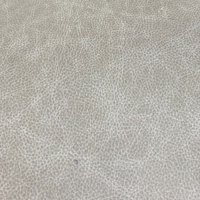
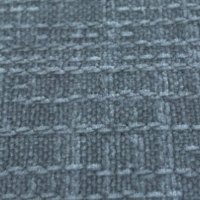
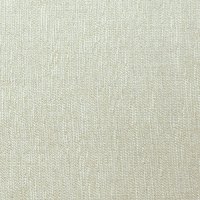
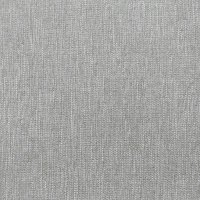
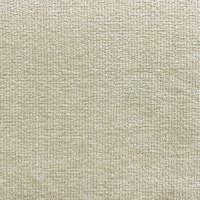
Taking time to order some swatches and viewing them in your room of choice helps ensure your new sofa, chair or footstool feels perfectly at home from the moment it arrives.
Not sure what to look for? Our Sofa Swatch Guide explains how to compare colours, texures and finishes at home before making your choice.
Small Space Living FAQs
Choosing furniture with raised legs, keeping colours light and using mirrors to reflect natural light can help create the illusion of more space. Avoid overcrowding the room with too many furniture pieces and focus on layouts that allow easy movement throughout the space.
Compact sofas, chaise sofas and modular designs tend to work particularly well in smaller spaces. Sofas with slimmer arms and raised legs can help create a lighter, more open feel while still offering plenty of comfort.
Yes, in many cases a corner sofa can actually maximise seating while making better use of the available floor space. The key is choosing a size that's proportionate to the room and leaves enough space for comfortable movement around it.
Lighter shades such as warm whites, soft greys, taupes and natural neutrals can help reflect light and create a more spacious feel. Introducing texture rather than lots of contrasting colours helps add warmth without making the room feel busy.
Round dining tables, extending tables and corner dining sets are often the most practical options for smaller homes. They maximise seating while maintaining better flow throughout the room.
Furniture that helps define zones works particularly well in open-plan homes. Rugs, corner sofas, dining sets and console tables can all help create separate living and dining areas while maintaining a cohesive overall look. Choosing complementary materials and colours helps the space feel connected and balanced.
Layering textures such as cushions, throws, rugs and soft lighting can create warmth without adding visual clutter. Keeping accessories carefully edited and using a cohesive colour palette helps maintain a calm and inviting feel.
One of the most common mistakes is choosing furniture that's either too large or too small for the room. Carefully measuring the space and selecting well-proportioned furniture usually creates a more balanced and comfortable result.
Furniture with slim proportions, raised legs and a footprint that suits the size of the room can help create a greater sense of space. Choosing fewer, well-proportioned pieces instead of filling every corner often makes a room feel larger, while lighter colour palettes and clear walkways help maintain an open, uncluttered look.
Yes. Multi-functional furniture is one of the best ways to maximise a smaller home without sacrificing comfort or style. Storage footstools, extending dining tables, nesting tables and compact occasional furniture all provide extra practicality while helping you make better use of your available floor space.
Aim to leave clear walkways of around 75–90cm where possible so you can move comfortably around the room. In more compact spaces, maintaining consistent pathways and avoiding overcrowding will often make a bigger difference than simply choosing smaller furniture. Measuring both the room and your furniture before buying helps create a layout that feels comfortable and balanced.