





Chests of Drawers
A chest of drawers brings a quiet kind of order to a bedroom, hallway or living room, keeping everyday things close to hand but out of sight. At Loom Loft, you'll find compact three-drawer chests, generous wide designs and tall boys that make the most of limited floor space, alongside characterful apothecary chests with a whole bank of small drawers. Each is made in solid wood, chosen for the way it wears in rather than out.
 Filter | Sort
Filter | Sort

Sort By
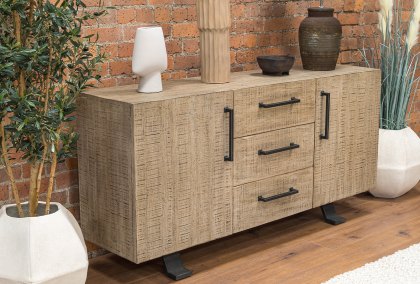
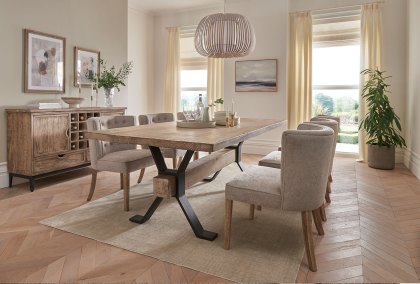

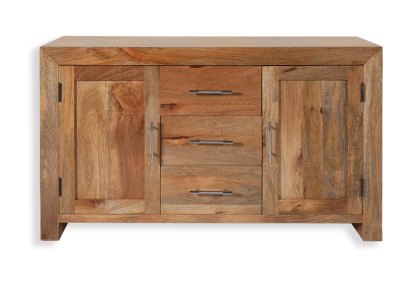
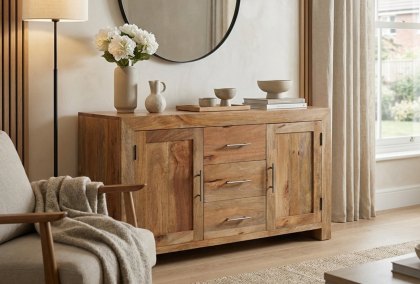
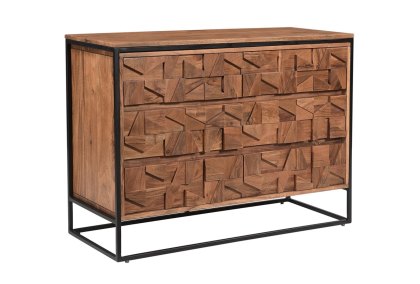
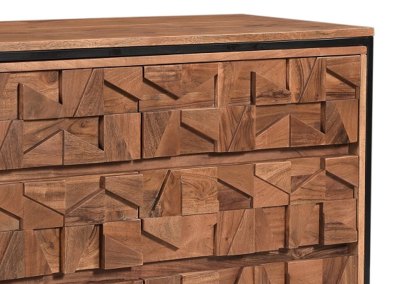
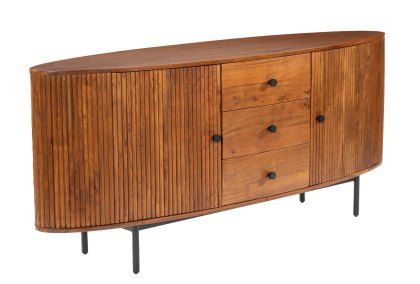
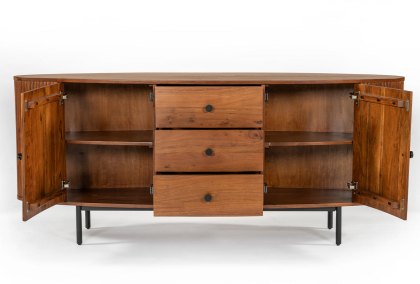
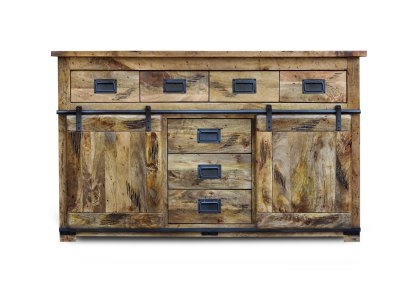
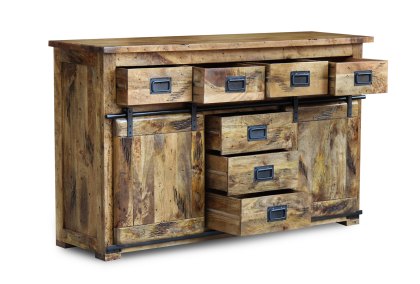
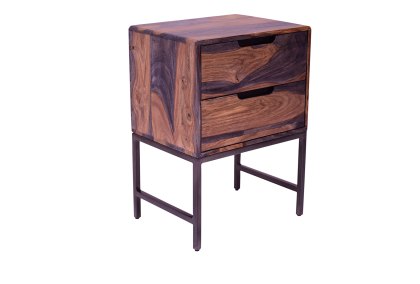
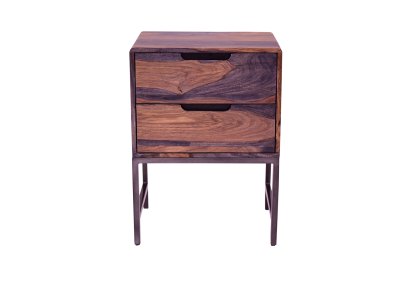
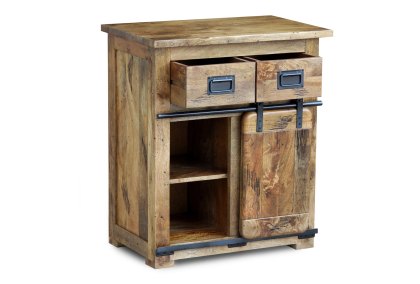
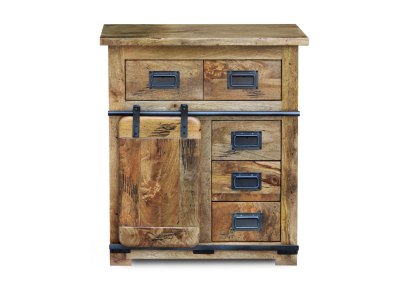
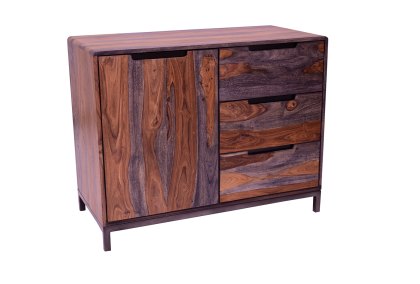
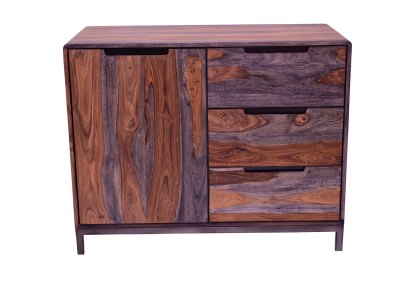
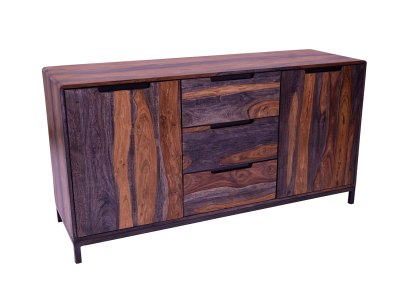
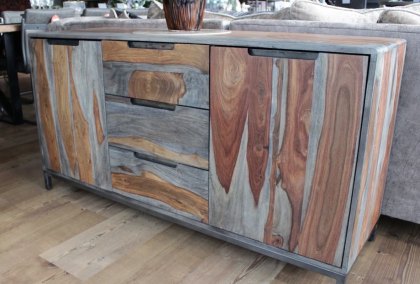
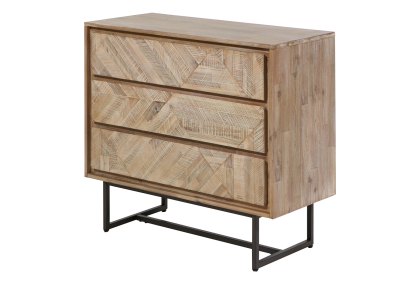
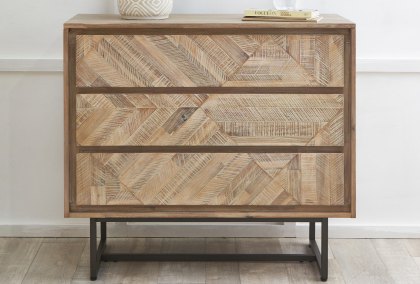
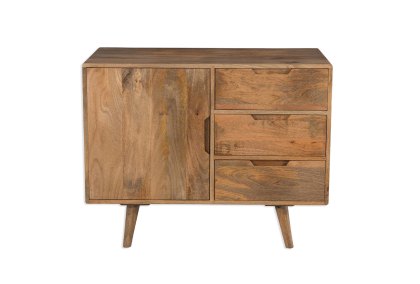
How many drawers, and how wide
Drawer count is the simplest way to size up a chest. Three-drawer designs, such as Bardon's, suit a smaller bedroom or a spot beside a bed where a deeper piece would crowd the room. Six and nine drawer chests give you proper separation for folded clothes, and the wider designs double as a surface for a lamp, a mirror or a tray.
A tall boy is the one to look at when floor space is tight. By stacking the same storage vertically it holds a surprising amount in a narrow footprint, which makes it a good fit for a box room or a landing. As a general guide, leaving enough clearance in front for a drawer to open fully is worth checking before you settle on a spot.
Wood and character
The collection is built around solid woods, including mango, pine, acacia and reclaimed timber, and each brings its own character. The Bardon range leans rustic with a contemporary edge, while the Rescate range includes apothecary chests with nine or eighteen drawers that are properly eclectic pieces that work as much for display as for storage.
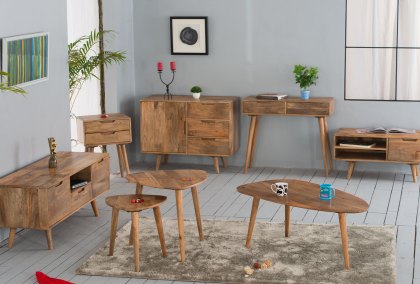
Because the finishes come from the wider furniture ranges, a chest will often coordinate with a matching sideboard or cupboard. Furniture by collection groups everything by range if you're pulling a whole room together.
Where a chest works beyond the bedroom
Chests of drawers are far too useful to keep upstairs. In a hallway, one takes on gloves, dog leads and post, with the top left clear for keys. In a living room it hides remotes, chargers and games while giving you a surface for a lamp.
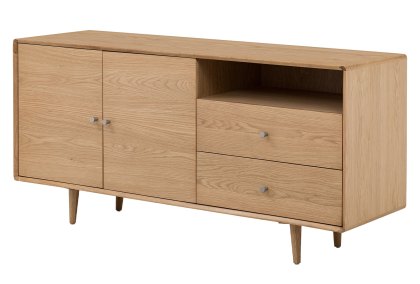
In a dining room a wide chest can stand in for a sideboard, holding cutlery and linen with serving space on top, and a smaller design sits happily as a bedside piece or next to a chair. For a lower alternative, lamp and side tables covers the same job at a different height, and our room ideas show storage in context.