





How to choose a fabric sofa
Where Great Fabric Sofa Choices
Begin
Finding the perfect sofa isn't just about choosing a shape, style or size. It's about finding a fabric that feels right in your home.
Colours can look different online. Textures often feel different in person. Natural light changes throughout the day and every home has its own unique palette of flooring, wall colours and furnishings.
That's why we always recommend ordering fabric swatches before making your final decision.
A swatch allows you to experience the fabric where it matters most - in your own home, alongside the furniture, décor and lighting you'll be living with every day.

Why choose a fabric sofa?
Fabric sofas offer an enormous amount of choice, making it easier to find an upholstery that suits both your home and the way you live.
From soft chenilles and tactile bouclés to smooth velvets and practical woven fabrics, different upholstery can completely change the character of the same sofa.
Colour, weave and texture all influence how a sofa looks and feels within a room.
Fabric can also offer excellent everyday comfort, with options available to suit busy family homes, pets, entertaining and more relaxed living spaces.
The important thing is choosing a fabric for more than appearance alone.
Think about how the sofa will be used, how much maintenance you’re comfortable with and how you want the upholstery to feel day to day.
Understanding Different Sofa Fabrics
Not all sofa fabrics are the same.
Different constructions, fibres and finishes create different textures, appearances and levels of practicality.
Understanding their characteristics can help you choose an upholstery that works beautifully in your home.


Which Fabric is Right For Me?
Choosing the right fabric depends on how you live, the look you want to achieve and how much day-to-day maintenance you’re comfortable with.
Some fabrics prioritise softness and texture, while others are designed to offer greater practicality for busy homes.
The right choice is about finding the balance between appearance, comfort and everyday use.
Chenille
Feel: Soft and tactile
Texture: Subtle
Best For: Relaxed comfortable living
Woven Fabrics
Feel: Varies from smooth to textured
Texture: Visible woven structure
Best For: Versitle everyday living
Textured Weaves
Feel: Tactile and characterful
Texture: Pronouced
Best For: Adding depth and interest to neutral interiors
Bouclé
Feel: Soft and highly textured
Texture: looped and tactile
Best For: Contemporary cosy interiors
Velvet
Feel: Smooth and luxurious
Texture: Rich, directional pile
Best For: Elegant interiors and statement sofas
Performance / Easy-Care Fabrics
Feel: Varies by collection
Durability: High
Best For: Busy homes, children and everyday family life
Choosing The
Right Fabric Colour
Colour plays an important role in the overall feel of your room.
Natural-toned beige and cream sofas continue to be popular choices because they create a warm, relaxed foundation while complementing a wide range of interior styles.
Grey sofas offer enormous versatility, from soft silver and warm greige through to deeper charcoal tones, while brown sofas bring warmth and depth and green sofas can introduce anything from a subtle, natural feel to a richer statement.
Unlike leather upholstery, fabric offers an enormous variety of textures and weaves, meaning the same colour can look and feel very different across velvet, chenille, bouclé and woven fabrics.
Get Personal Advice from a
Loom Loft Lifestylist
Not sure which fabric is right for your home? Our Loom Loft Lifestylists are here to help.
Whether you're deciding between soft chenille, relaxed linen-look fabrics or durable family friendly options, our team can offer personalised advice tailored to your home.
Simply fill in the form below and one of our Lifestylists will be in touch to guide you through the options.



#loomloftliving
Furniture That Feels Like Home
At Loom Loft, we believe choosing furniture should feel exciting, not stressful.
Taking time to order some swatches and viewing them in your room of choice helps ensure your new sofa, chair or footstool feels perfectly at home from the moment it arrives.
How to choose a fabric sofa FAQs
Start by considering how you live. Think about how heavily the sofa will be used, the level of comfort you prefer and the look you want to create.
Fabric type matters too. Some fabrics offer a soft, luxurious feel, while others are chosen for their durability, texture or easier everyday maintenance.
The best sofa fabric depends on your priorities. Chenille is popular for its soft, textured feel, velvet offers a richer and more luxurious appearance, while woven fabrics can provide excellent versatility and durability. Bouclé and other heavily textured fabrics create a distinctive look but may require a little more care depending on how the sofa is used.
Durability varies between individual fabrics rather than simply by fabric type. One useful measure is the Martindale rub test, which measures a fabric’s resistance to abrasion. For sofas that will see frequent everyday use, look for upholstery specifically designed and tested for high levels of wear.
Yes. Many modern upholstery fabrics are designed specifically with busy homes in mind. Durable weaves can make fabric sofas particularly practical for households with children or pets, while still offering a huge choice of colours and textures.
Regular vacuuming with a soft upholstery attachment can help prevent dust and debris becoming embedded in the fabric. Spills should be dealt with promptly and always according to the care instructions for your particular upholstery. Avoid using general household cleaning products unless they are specifically recommended for the fabric.
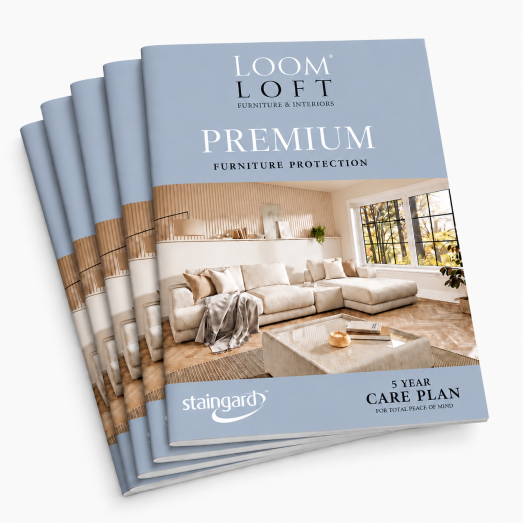
For peace-of-mind our Furniture Care Plan provides optional comprehensive cover against stains and structural defects too.
For more detailed information on how to care for your furniture; take a moment to read our Furniture Care Guide; where you'll find practical advice for a wide range of products including our upholstery.
A well-made fabric sofa can provide many years of everyday comfort when properly cared for. Its lifespan will depend on the quality of its construction, how frequently it is used and the characteristics of the chosen upholstery. Regular maintenance and following the manufacturer’s care guidance can help keep both the fabric and sofa looking their best.
Some movement in upholstery is completely normal. Fabric can relax slightly with use and seat or back cushions may develop natural creasing as they settle. The amount varies depending on the fabric, cushion fillings and construction of the sofa and isn’t necessarily an indication of a fault.
The Martindale test measures how resistant a fabric is to abrasion by repeatedly rubbing it under controlled conditions. The resulting Martindale rating can help indicate how suitable a fabric is for different levels of use, although it should be considered alongside factors such as fibre composition, weave and care requirements.