





Square Dining Tables
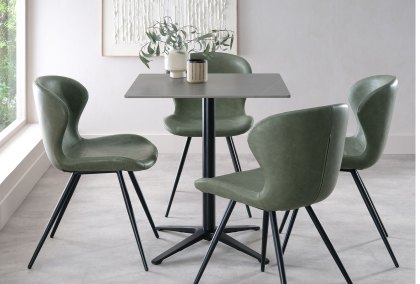
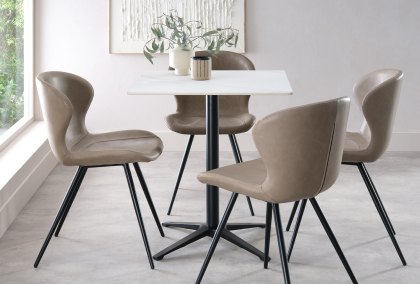
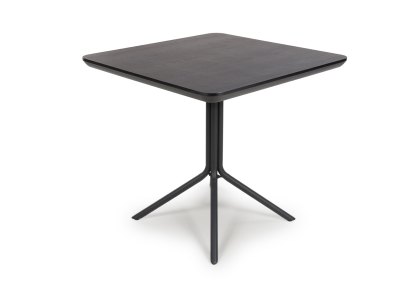
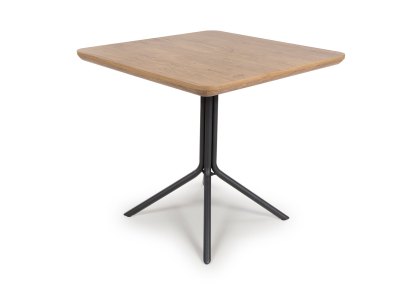
A square table is the neatest solution for a room that's square itself, seating four with one person to a side and no wasted length. At Loom Loft, our square dining tables are mostly compact, from 80cm and 90cm designs that seat four to smaller sintered stone bistro tables for a kitchen or garden room. Solid wood, stone and glass tops all feature, on slim timber or metal bases.
 Filter | Sort
Filter | Sort

Sort By
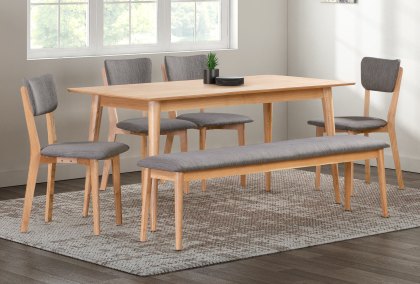
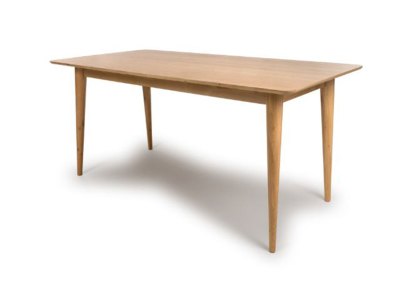
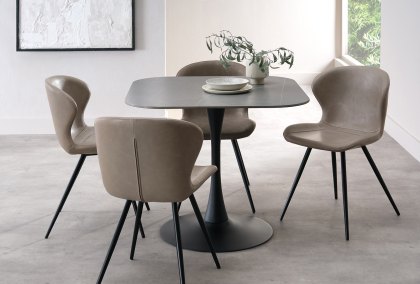
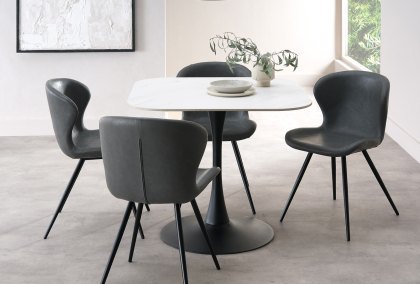
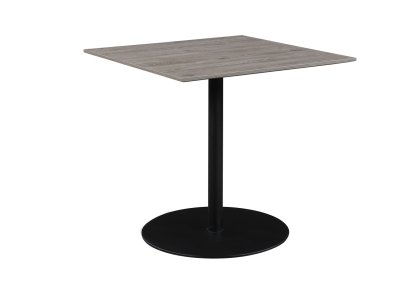
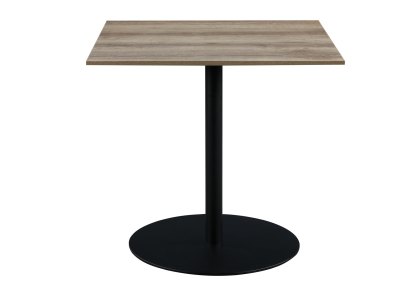
Why square suits some rooms better
Squares work with the geometry of a room rather than against it. In a square kitchen or a small dining space, a square table leaves even circulation on all four sides, whereas a rectangle pushes people into a pinch at one end. Everyone sits at an equal distance too, which keeps a meal for four sociable.
The practical limit is width. Beyond about 120cm a square table puts the centre out of easy reach, so a larger household is usually better served by a rectangle or an oval. The Jameson range is a good illustration of the trade-off, offering an 800mm square alongside rectangular tops at 1200mm and 1600mm in the same design.
Compact, bistro and multi-purpose designs
The smallest tables here are bistro designs in sintered stone, sized for two and light enough to move, which makes them genuinely useful in a kitchen corner, a garden room or a small flat. Beige, grey and white tops on black bases keep them unobtrusive.
A few ranges give you a square now with room to grow. The Highland range offers a 900mm fixed square alongside extending rectangular tables, so a household can start compact and trade up within the same finish. If you already know you'll need more length, extending dining tables and rectangular dining tables are the places to look.
Chairs, and what else to consider
Four chairs round a square table need a little thought, because a chair on each side leaves the corners empty and the legs can clash with a corner-legged table. A pedestal or centre-leg base solves it, and slimmer chairs help in a smaller room. Dining chairs covers the range.
If the room is tight rather than square, a round table of the same width often feels roomier because there are no corners to catch. Round dining tables is worth comparing, and dining by collection shows tables and seating from the same range together.