





How to choose a rug
Why Every Room
Benefits from a Rug
A well-chosen rug creates an immediate sense of warmth and comfort.
It helps soften wood, laminate and tiled flooring, improves acoustics within larger rooms and introduces an extra layer of texture that makes a space feel more inviting.
Rugs also help visually anchor furniture, creating natural zones within open-plan living spaces and helping different elements of a room feel connected.
In living rooms, a rug can frame your sofa and coffee table.
In dining rooms, it helps define the dining area. In bedrooms, it creates a softer, more luxurious feel from the moment your feet touch the floor each morning.

How to choose the right rug size for a room
When choosing a rug, size is often just as important as colour or pattern. A rug that is too small can make a room feel disconnected, while the right size helps create balance and proportion throughout the space.
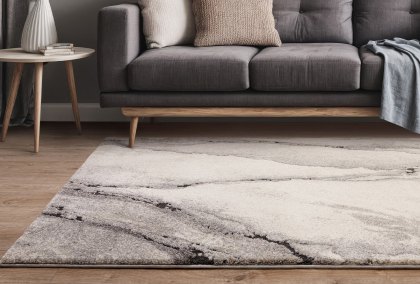
For living rooms, the ideal rug will usually sit beneath at least the front legs of your sofa and chairs, helping to create a cohesive seating area. Larger rugs can often make a room feel more spacious by visually connecting furniture pieces together.
Within dining spaces, the rug should extend beyond the table itself, allowing dining chairs to remain comfortably on the rug when pulled out for seating.
In bedrooms, placing a large rug beneath the bed or layering smaller rugs around the room can help create a softer and more welcoming atmosphere.


Choosing the
Right Rug Texture
Texture plays a significant role in how a room feels.
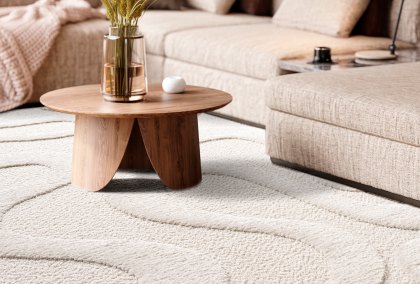
Deep-pile rugs create a luxurious, cosy feel underfoot and work particularly well in living rooms and bedrooms where comfort is a priority.
Their softness naturally encourages relaxation and adds warmth to the space.
Low-pile rugs tend to be easier to maintain and are often well suited to busier areas of the home such as dining rooms, hallways and open-plan living spaces where furniture is moved regularly.
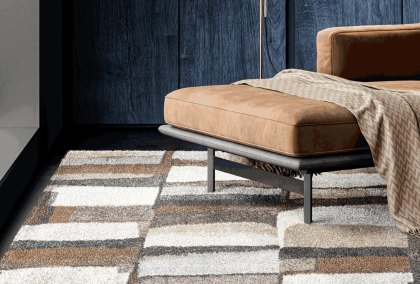
The right texture can also help complement your furniture. Pairing soft upholstery with tactile rugs creates depth and interest while helping the room feel layered and considered.
How to choose a rug shape
The shape of your rug can completely change how a room feels. The right rug shape helps define furniture layouts, soften hard lines and create a more balanced space.

Rectangular Rugs
The most versatile and popular choice for living rooms, dining spaces and bedrooms. Rectangular rugs work beautifully beneath sofas, coffee tables and dining tables, helping to anchor furniture and define seating areas.
Round Rugs
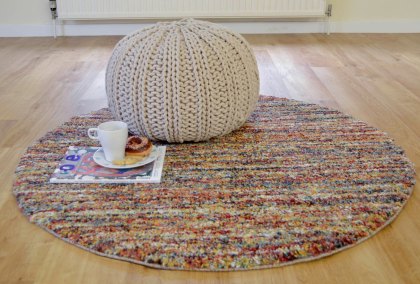
Perfect for softening spaces filled with straight lines and angular furniture. Round rugs work particularly well beneath round dining tables, in reading corners or smaller rooms where they can create a softer, more relaxed feel.
Runner Rugs
Designed for narrower areas such as hallways, kitchens, beside beds or open-plan walkways. Runner rugs add warmth and texture while helping to visually guide the flow of a room.
Square Rugs
Ideal for square rooms or balanced furniture layouts. Square rugs work beautifully beneath square dining tables or in seating arrangements where the furniture naturally forms a square footprint.
Top Tips for Rug Shapes
Rectangular: For living rooms and dining spaces.
Round: Works beautifully with circular furniture.
Runner: Perfect for hallways and narrow spaces.
Square: Perfect for square and balanced rooms.
How to Choose
A Rug Colour
A rug can either quietly complement a room or become a statement feature in its own right.
Neutral rugs remain a popular choice because they offer versatility and longevity.
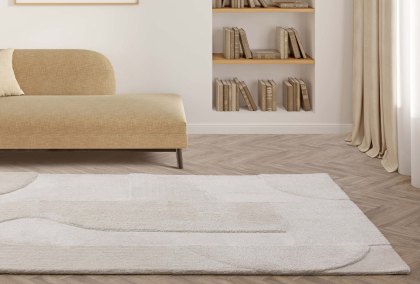
Soft greys, warm beiges, natural oatmeals and earthy taupes create a calm foundation that works beautifully across a variety of interior styles.
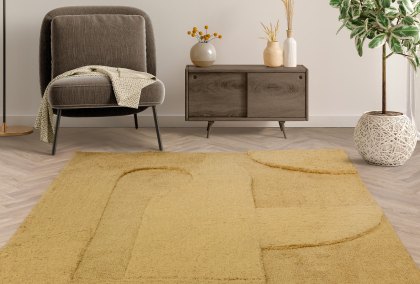
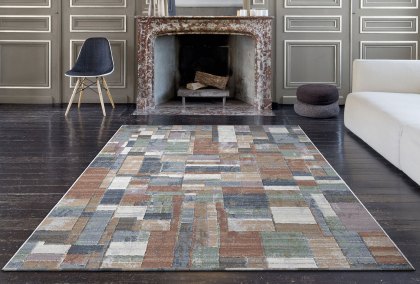
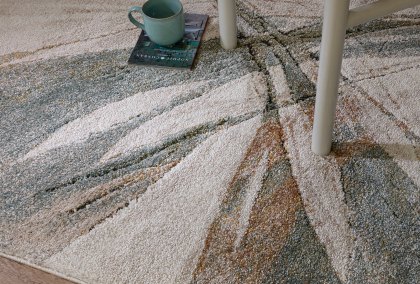
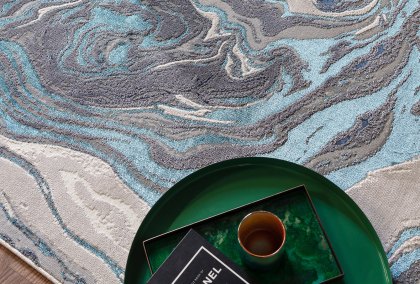
For those looking to introduce more character, patterned rugs can add movement and visual interest while helping tie together different colours throughout the room.
The key is to consider the overall palette of the space and choose a rug that complements rather than competes with the surrounding furniture and décor.
The colour of your flooring has a huge influence on how a rug will look within your home.
Rather than trying to match your rug exactly, aim for a combination that creates balance and complements the rest of your furniture and décor.
Light Wood & Oak Flooring
Natural oak and lighter wood floors pair beautifully with soft neutrals such as oatmeal, beige and warm grey rugs. These combinations create an airy, relaxed feel while allowing furniture and accessories to stand out.
Dark Wood Flooring
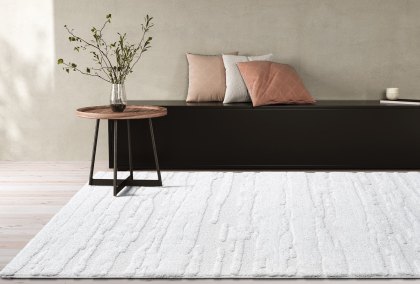
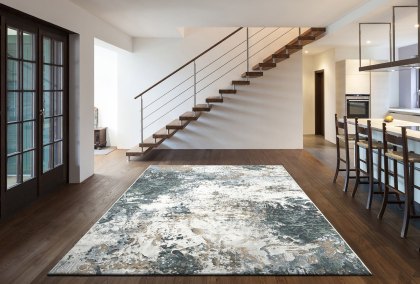
Darker timber floors often benefit from lighter rugs in cream, ivory and stone tones. The contrast helps brighten the room and prevents the space from feeling too heavy or enclosed.
Grey Flooring
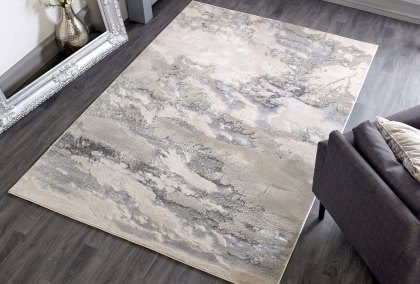
Grey flooring is incredibly versatile and can work with almost any rug colour. Warm greige and beige rugs soften cooler grey tones, while charcoal or patterned rugs create a more contemporary feel.
Tile & Stone Flooring
Hard surfaces naturally benefit from the warmth and texture a rug brings. Deep-pile and textured designs can soften the room and make large spaces feel more comfortable and inviting.
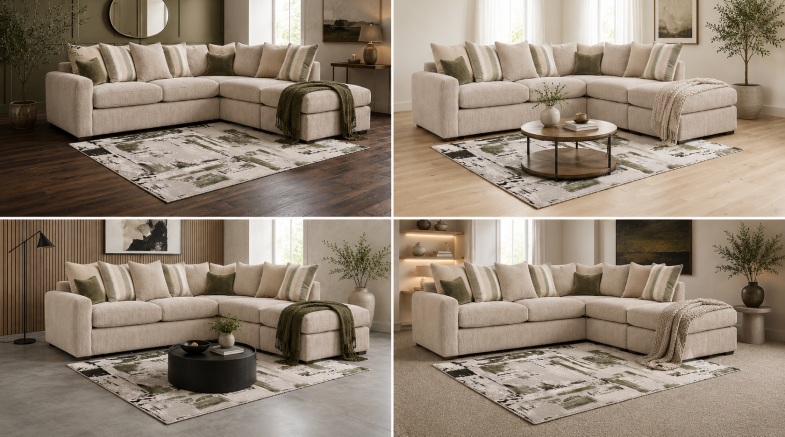
A Simple Rule to Remember
If your flooring is light, consider adding some contrast with a slightly darker rug. If your flooring is dark, lighter rugs can help lift the room.
The aim isn’t to match perfectly but to create a space that feels balanced and connected.
Get Personal Advice from a
Loom Loft Lifestylist
Not sure which rug is right for your space? Our Loom Loft Lifestylists can help you choose the perfect size, shape, colour and texture to suit your space and lifestyle.
Whether you're deciding between a statement design or a timeless neutral, choosing the right rug size for you room, or finding the best option for busy family living, we're here to guide you every step of the way.
Simply fill in the form below and one of our Lifestylists will be in touch to guide you through the options.



#loomloftliving
Furniture That Feels Like Home
At Loom Loft, we believe choosing furniture should feel exciting, not stressful.
Taking time to order some swatches and viewing them in your room of choice helps ensure your new sofa, chair or footstool feels perfectly at home from the moment it arrives.
Not sure what to look for? Our Sofa Swatch Guide explains how to compare colours, texures and finishes at home before making your choice.
Rug Buying & Styling FAQs
One of the most common mistakes when choosing a rug is selecting a size that is too small. Ideally, your rug should sit beneath at least the front legs of your sofa and chairs to help create a more balanced and connected seating area. Larger rugs can often make a room feel more spacious and considered overall.
Yes. Placing a rug partially beneath your sofa helps anchor the furniture and creates a more cohesive look throughout the room. Even allowing the front legs of the sofa to sit on the rug can make a noticeable difference to the overall feel of the space.
Yes. The right rug can help create the illusion of more space. Larger rugs tend to make a room feel more open by visually connecting furniture together, whereas rugs that are too small can sometimes make a room feel disconnected or unfinished.
Low-pile rugs are usually the most practical option for dining spaces because they allow dining chairs to move more easily without catching on thicker fibres. Durable, easy-to-maintain materials also work particularly well in busy family dining areas.
Large rugs work particularly well in open-plan spaces because they help define different living zones without interrupting the overall flow of the room. A rug beneath the seating area, for example, helps create a natural focal point within a larger space.
Start by looking at the existing tones within your room, including your sofa, flooring and walls. Neutral rugs remain a timeless choice because they work effortlessly across changing interior styles, while patterned or textured rugs can help introduce depth and personality.
A rug does not need to perfectly match your sofa, but the colours and textures should complement each other. Rugs are often most effective when they help tie together multiple tones within the room rather than matching one single piece exactly.
Yes. Textured rugs continue to be popular because they add warmth, depth and softness to a room. Subtle woven finishes, deep-pile textures and layered natural tones can all help create a more relaxed and welcoming interior.
The easiest way to stop a rug from moving is to use an anti-slip rug mat. This helps keep the rug securely in place, prevents bunching and curling, and adds extra cushioning underfoot. Anti-slip underlays work particularly well on hard floors and can also help reduce movement on carpet.
Neutral rugs, textured designs and soft geometric patterns are particularly popular right now. Shades such as beige, cream, taupe and grey remain timeless choices, while large rugs and natural textures continue to be a favourite for creating a warm, designer-inspired look.
Most rug creases will flatten naturally after a few days. To speed up the process, gently roll the rug in the opposite direction of the crease or place furniture on the affected area. Avoid excessive heat, as some rug materials can become damaged.
Yes. Rugs help insulate your floor, making rooms feel warmer and more comfortable underfoot. They also add texture and softness, which can make a space feel cosier and more inviting, particularly in living rooms and bedrooms.
Choose a simple rug in a neutral colour such as beige, cream or grey. Subtle textures and understated patterns work best in minimalist spaces, helping to add warmth and define the room without making it feel cluttered.